Sign up an apprentice or trainee
Get help signing up an apprentice or trainee and accessing government funding and incentives.
Useful links

Sign up an apprentice or trainee
Get help signing up an apprentice or trainee and accessing government funding and incentives.

Hiring an apprentice or trainee
Grow your team with apprentices and trainees. Get training that fits your business, government support, and motivated employees. It’s a smart, hands-on way to build skills and help your business succeed.
Starting an apprenticeship
Learn the meaning of apprenticeships, the difference between an apprenticeship and traineeship and how to get started. Build skills and earn while you learn.
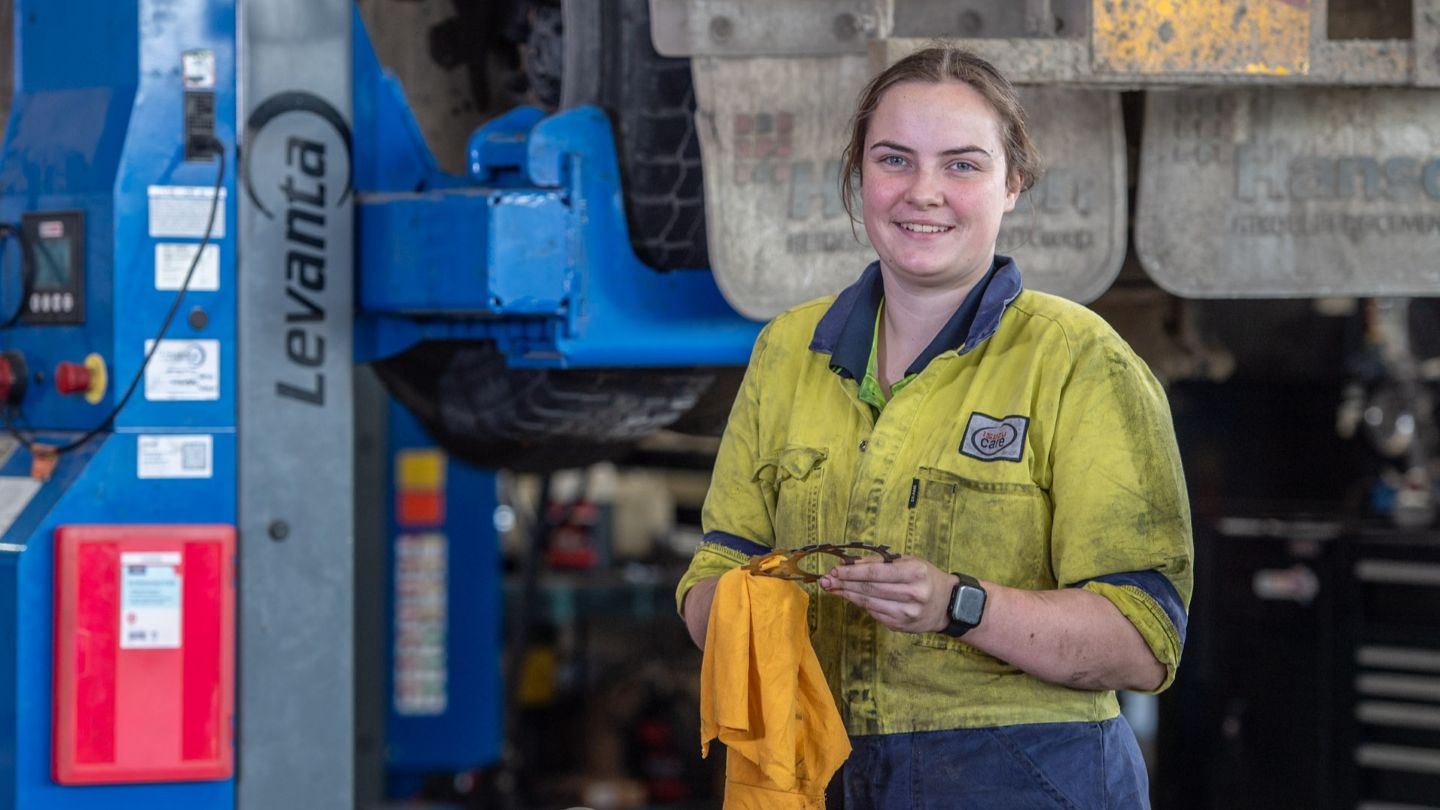
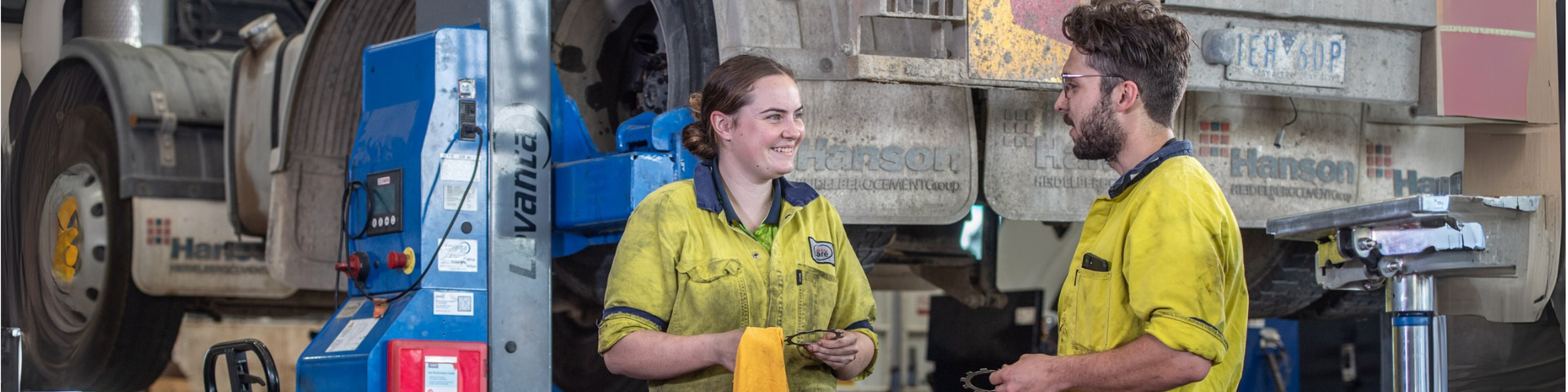
Australia’s trades sector is evolving, and more women are stepping into apprenticeships across traditionally male-dominated industries. With this shift comes an opportunity for employers to create worksites where everyone feels safe, respected and supported.
At Apprenticeship Support Australia, our women in trades program helps employers build those environments. As an Alliance Member of Empowered Women in Trades (EWIT), we’re part of a national effort driving practical, meaningful change across the industry.
We spoke with Erinn Johnston, one of Apprenticeship Support Australia’s Women in Trades Apprentice Advisors in NSW, about what inclusion looks like and simple steps employers can take to make a real difference.
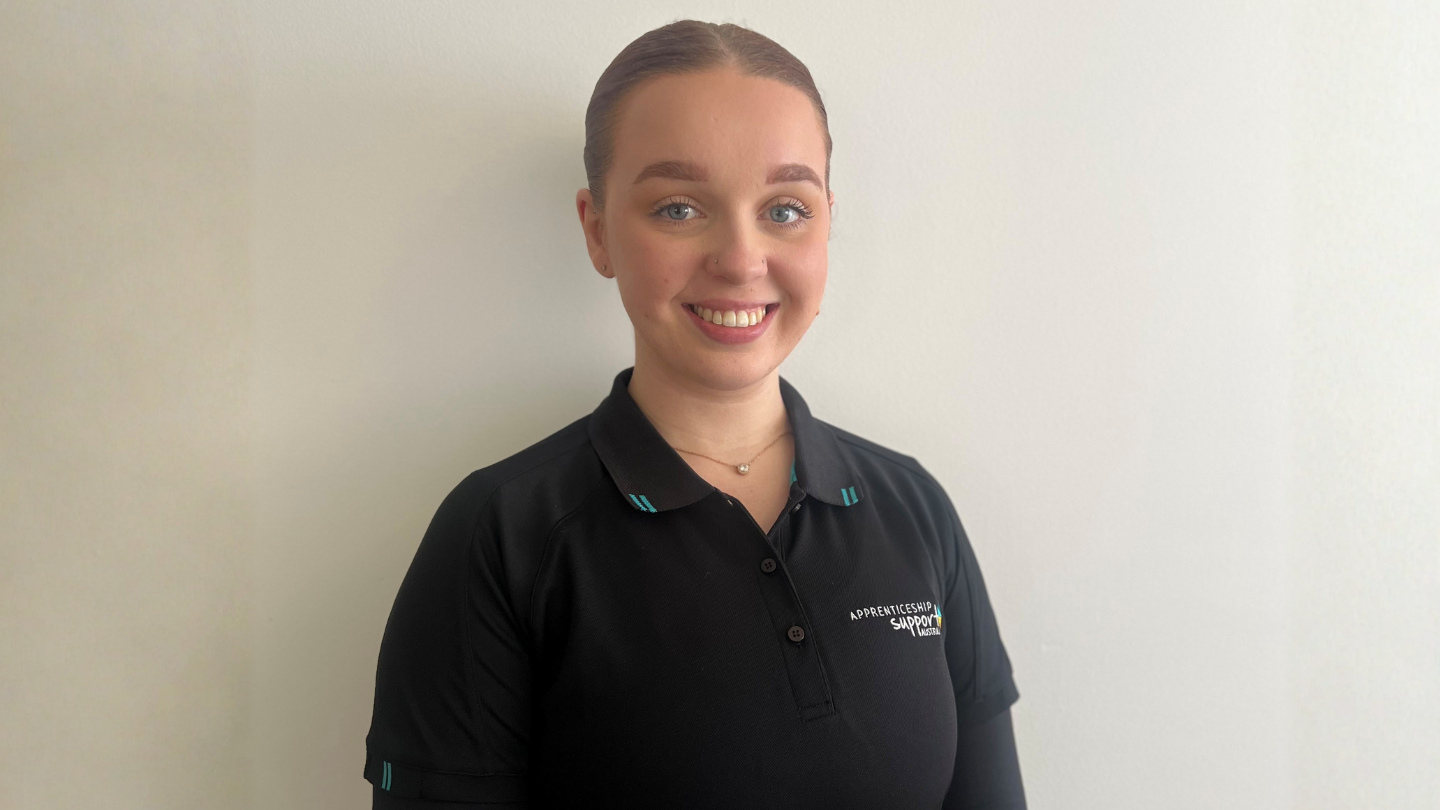
We’re part of the mentoring and support specialist team, specifically for women in trades. We provide tailored support to apprentices because every apprentice and their journey is different. We help with things like communication, soft skills, career planning and managing fatigue and burnout. Which is unfortunately very common.
We also provide more specialised support that people don’t always realise exists. Such as mental health, women’s health and understanding their rights in the workplace.
No two days are the same. We’re on the road, meeting people from all backgrounds, including apprentices with learning difficulties or disabilities. We’re there when times get tough, so they know who to reach out to and what support is available.
We work one-on-one with apprentices through a 12-month plan, which often involves the employer too. Sometimes an employer may not realise, for example, that their apprentice has ADHD. We can help open those conversations and support both sides.
A lot of apprentices find it hard to speak up. Not because of anything the employer has done, but because opening up is difficult. Sometimes our role is simply being a safe person they can talk to.
Women face a unique set of barriers on-site. And being the only woman on a worksite can feel isolating. Having at least one person they can talk to, whether that’s the employer, a supervisor or a trusted tradesperson, can make a huge difference.
From a business perspective, inclusivity is not just about women. It’s about communication, respect and good workplace culture.
Women bring different perspectives and new ways of thinking, which improves communication and productivity overall. When employers nurture female apprentices, they’re more likely to stay in the industry.
It starts with de-stigmatisation of being a woman on site. Speak to them the same way you’d speak to anyone else. Simple check-ins like “How was your weekend?” help them feel part of the team.
Let them have the opportunity to learn and grow. Let them be themselves. Let them do the dirty jobs if they want to. And don’t worry if they wear makeup to work, it’s about comfort, not capability.
It’s also about understanding women’s health and neurodiversity. Not every day is 110%. Fatigue, cramps or general health challenges happen, and making accommodations when needed is part of creating a supportive environment.
If you notice that someone’s having an off day, give them the chance to explain.
Use open, honest language like:
The biggest one is clean, private amenities, including a sanitary bin. These basics are still not consistent across worksites.
PPE that fits is another. Women often struggle to find sizes that work. Small sizing, tall and slim sizing and tops that fit different bust sizes. Men’s clothing rarely fits correctly. And during pregnancy, women will need new workwear that accommodates their changing bodies.
Also, ensure equal access to tasks. Let women learn all parts of the job, not just some.
Lead by example. If a manager speaks poorly to or about a female apprentice, it signals to everyone that it’s okay.
Call out behaviour when it happens. If someone says, “She can’t do that because she’s small,” respond with, “Well, what have you done to support her?”
Ensure that bullying and harassment policies are clear.
Give women opportunities. Let them step into leadership roles or try advanced tasks, just like any other team member.
Tone and delivery matter. Don’t call out behaviour in front of everyone, pull them aside privately.
Give constructive feedback and follow up. Ask if they have questions. Allow room for mistakes, we all make them. Say, “I noticed you did this yesterday. Maybe try it this way next time”.
Understand that everyone learns differently. Demonstrate tasks, explain them and let them write things down if they need to. Ask:
Be clear and offer praise when things go well. A simple “Good job today” goes a long way.
Each apprentice is different, so the environment matters. Knowing there’s an open-door policy helps. Sometimes, a trusted person isn’t the employer. It could be a tradesperson they’ve connected with and feel supported by.
Regular communication is key. Regular feedback and catch-ups show you are interested in what they have to say. Ask what you can do better as a business to support them – they might suggest things you’d never thought of.
There are great networks like Carpentry Australia, Tradeswomen Australia, Women in Automotive, Sydney Plumbing . We host events with all these groups, bringing people together to feel supported and less isolated.
Some are for both apprentices and employers, others are specific to one group. Events cover topics such as mental health, women’s health and what life on the tools is really like.
Our membership with Empowered Women in Trades (EWIT) strengthens this further. Networking, hearing stories and learning from others help employers understand the challenges women face. It’s a great opportunity for apprentices – especially those who are the only woman in their workplace – to meet others and build confidence.
One example was an employer who encouraged his apprentice to attend a women’s trade event. He gave her the day off and told her it would be great for her. That small gesture made her feel genuinely supported and included.
We’re also seeing more employers doing their research and preparing worksites before a woman starts. Tier-one companies, in particular, are leading the way with structured women’s programs and specific mentors.
Start with education. Understand the barriers women face and prepare your workplace before they arrive.
Have clear workplace behaviour and mental health policies. There’s still stigma around mental health, so learning why it matters is important.
State Training Services offers excellent workshops on supervising apprentices, including topics on diversity and inclusion.
Talk to other small businesses that employ women and learn from their experiences. And prepare before day one so your apprentice walks into a supportive workplace from the start.
Connect with one of our specialist women in trades mentors.
We support employers across NSW, VIC and WA through virtual sessions, phone consultations and on-site visits where possible. Whether you have a quick question or need tailored advice, you can reach out at any time.
Let’s work together to build worksites where every apprentice can thrive.