Sign up an apprentice or trainee
Get help signing up an apprentice or trainee and accessing government funding and incentives.
Useful links

Sign up an apprentice or trainee
Get help signing up an apprentice or trainee and accessing government funding and incentives.

Hiring an apprentice or trainee
Grow your team with apprentices and trainees. Get training that fits your business, government support, and motivated employees. It’s a smart, hands-on way to build skills and help your business succeed.
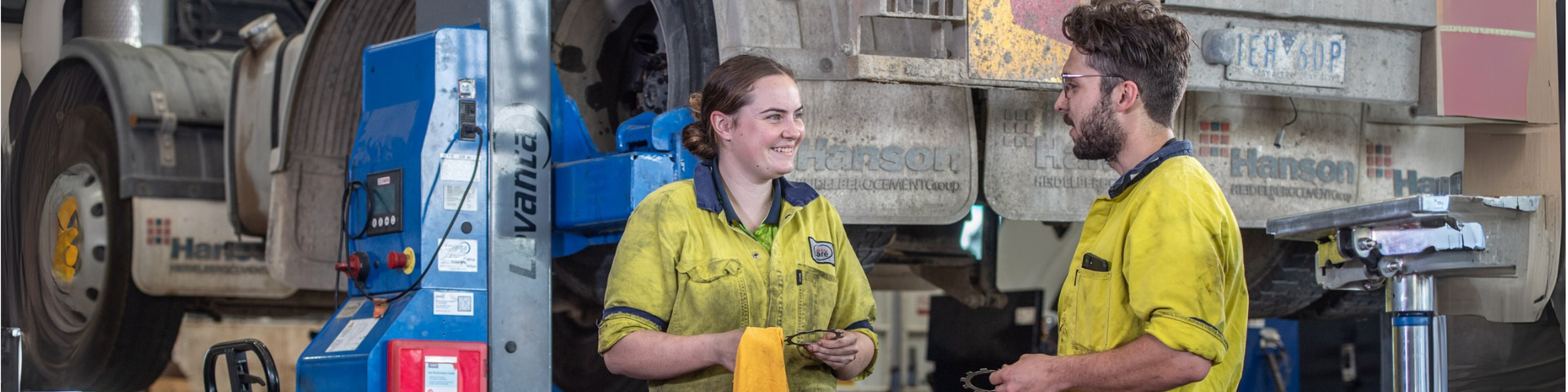
Starting an apprenticeship
Learn the meaning of apprenticeships, the difference between an apprenticeship and traineeship and how to get started. Build skills and earn while you learn.

The Victorian Skills Plan highlights a focus on practical, industry-aligned training pathways that connect people to real jobs and support employers to meet growing skills demand.
Over the next three years, around 373,000 workers are expected to enter the Victorian labour market, including 143,000 new jobs and 230,000 replacement roles as workers retire. This growth presents significant opportunities for apprenticeships and traineeships to play a central role in strengthening Victoria’s skilled pipeline.
Digital capability continues to be a defining workforce requirement, with demand spanning foundation digital literacy through to advanced skills in cloud computing, cybersecurity, data analytics and artificial intelligence (AI).
The plan forecasts 19,300 new workers in digital technology occupations between 2025 and 2028, driven by investment in data centres and growing demand for software engineering, ICT management and digital design roles. Many of these skills can be developed through VET pathways, including apprenticeships, traineeships and micro-credentials that support both new entrants and workers looking to retrain.
Health care and social assistance remain Victoria’s largest employing sector, with 90,300 new workers expected over 2025–28. Strong demand is forecast for ageing and disability carers, nursing support and personal care workers, as well as early childhood educators.
The education and training sector also continues to grow, with sustained demand across early childhood, school education, vocational education and training (VET) and higher education. Traineeships play a critical role in supporting workforce entry into both early childhood education and training delivery roles.
Agriculture and agribusiness remain priority growth areas, with 5,400 new workers expected by 2028, supported by record food and fibre exports and the emergence of agritech roles. These roles highlight the increasing need for hybrid skill sets that combine technical, digital and trade-based capabilities.
The plan also reinforces strong demand across advanced manufacturing, construction and the clean economy, where apprenticeships are essential to developing job-ready workers for both traditional trades and emerging technologies.
The Victorian Skills Plan emphasises the importance of strengthening digital capability, expanding access to micro-credentials for retraining, and ensuring TAFEs and training providers remain responsive to changing industry needs.
With clear pathways into priority industries and strong projected demand, the plan positions VET as a cornerstone of Victoria’s economic resilience and future growth.
ASA looks forward to continuing to work with employers, training providers and government to support apprentices and trainees into meaningful, long-term careers across Victoria’s growth industries.
ASA supports employers to recruit, manage and retain apprentices and trainees, helping build the skilled workforce Victoria needs.