Sign up an apprentice or trainee
Get help signing up an apprentice or trainee and accessing government funding and incentives.
Useful links

Sign up an apprentice or trainee
Get help signing up an apprentice or trainee and accessing government funding and incentives.

Hiring an apprentice or trainee
Grow your team with apprentices and trainees. Get training that fits your business, government support, and motivated employees. It’s a smart, hands-on way to build skills and help your business succeed.
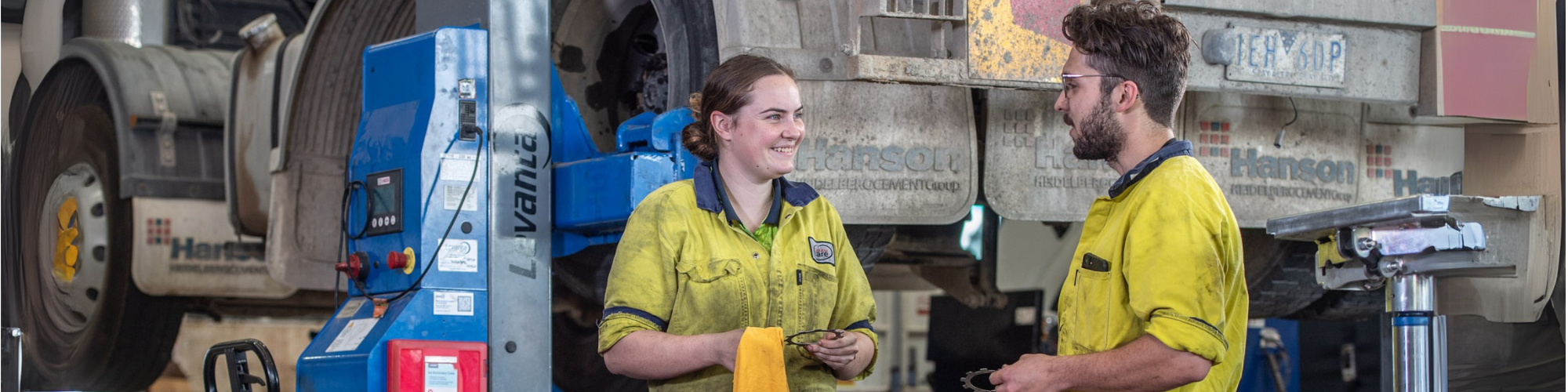
Starting an apprenticeship
Learn the meaning of apprenticeships, the difference between an apprenticeship and traineeship and how to get started. Build skills and earn while you learn.

Building on insights from our National First Year Experience Report, our Australian Apprentice Wellbeing Report takes a closer look at the role wellbeing plays in apprentice retention.
Our analysis found that half of Australian apprentices experience sadness, anxiety or worry that significantly affects how they study, live or work. These apprentices were 65% more likely to have considered leaving their apprenticeship than otherwise similar apprentices.
The supplementary report draws on responses from 12,376 current and former apprentices and trainees surveyed for the National First Year Experience Report. It explores the relationship between wellbeing and retention in greater depth, highlighting the factors influencing apprentices' experiences and opportunities for employers to strengthen support.
Psychological wellbeing was the strongest driver of retention risk identified in our analysis, ahead of dissatisfaction with the work itself, unmet expectations and feeling unsupported in the workplace.
For employers and industries facing skills shortages, these findings reinforce the importance of apprentice wellbeing in engagement, progression and completion.
Our analysis found that apprentices who rated their progress as excellent were 43% less likely to have considered leaving. Enjoying their work, learning from experienced mentors and receiving high-quality workplace training were also strongly associated with retention.
There are positive foundations to build on. More than 90% of apprentices reported good communication with their supervisor and feeling comfortable raising concerns. Nine in ten received adequate mentoring, while 83% felt cared for and supported during their first year.
These findings highlight the value of supportive workplace relationships, quality training and a sense of progress in helping apprentices stay engaged with their training.
Our analysis also highlights how external pressures can affect apprentice wellbeing.
More than half of apprentices (55%) reported being quite or extremely affected by cost-of-living pressures. Among apprentices who were not affected, 31% reported experiencing sadness, anxiety or worry. That figure increased to 69% among those who were extremely affected by cost-of-living pressures.
While employers cannot control every pressure an apprentice faces, understanding the challenges outside work can help them recognise when additional support may be needed.
We asked apprentices who had experienced sadness, anxiety or worry what additional support would make a difference.
77% said they would value greater mental health and wellbeing support, while 66% wanted employers to have stronger coaching and mentoring skills and 56% wanted more regular check-ins and progress reviews.
These insights provide a clear direction for employers looking to strengthen their approach. Quality supervision, regular communication, effective mentoring and ongoing support can all help create a workplace where apprentices feel supported to learn and progress.
To explore the findings in more detail, we hosted an online session examining what the research tells us about apprentice wellbeing and retention, and what this means for employers.
The discussion takes a closer look at the factors influencing apprentices' experiences and explores practical ways employers can better support apprentices.

Download the report to explore our findings and discover how you can help apprentices thrive throughout their apprenticeship journey.