Sign up an apprentice or trainee
Get help signing up an apprentice or trainee and accessing government funding and incentives.
Useful links

Sign up an apprentice or trainee
Get help signing up an apprentice or trainee and accessing government funding and incentives.

Hiring an apprentice or trainee
Grow your team with apprentices and trainees. Get training that fits your business, government support, and motivated employees. It’s a smart, hands-on way to build skills and help your business succeed.
Starting an apprenticeship
Learn the meaning of apprenticeships, the difference between an apprenticeship and traineeship and how to get started. Build skills and earn while you learn.

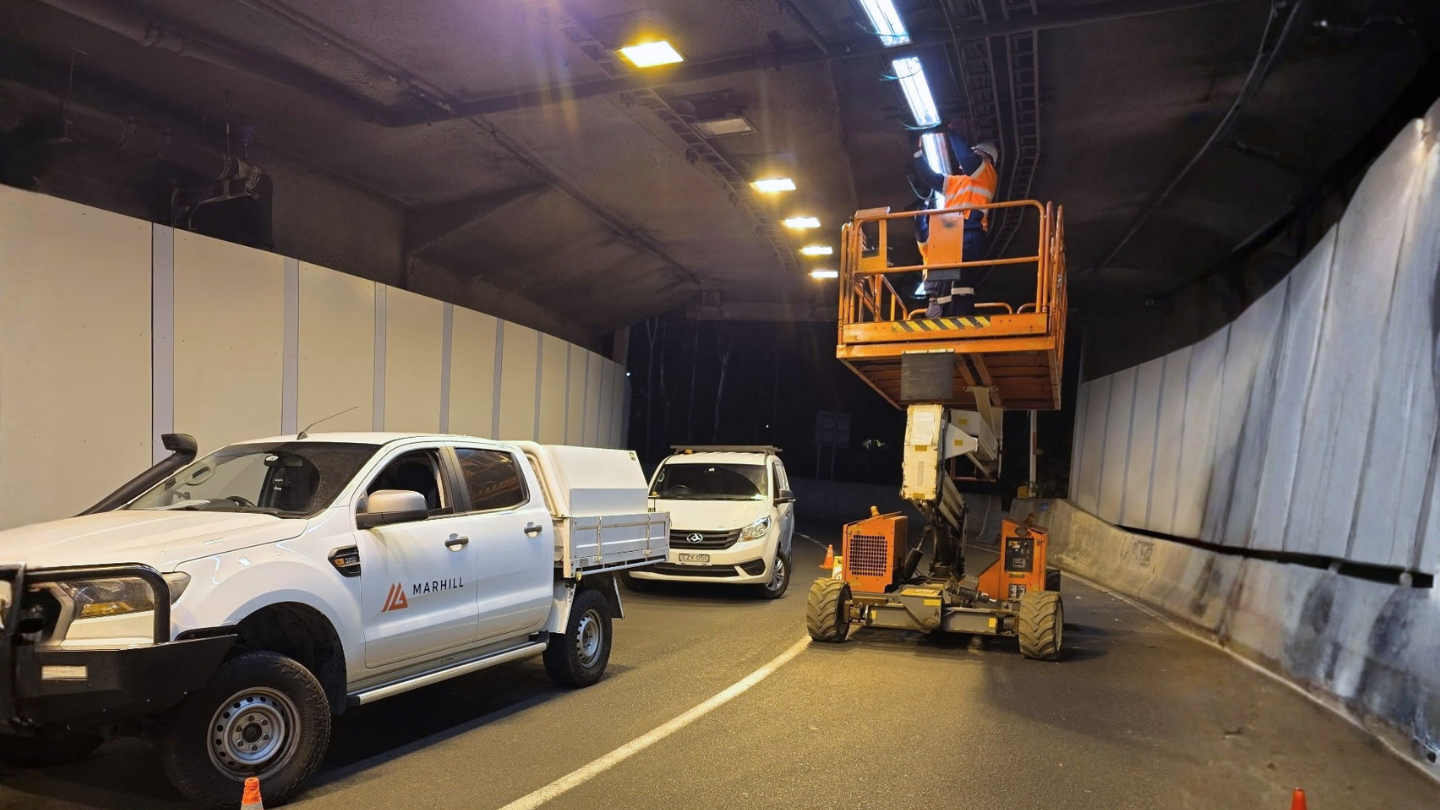
Marhill is a commercial electrical service and construction company. They have been employing apprentices for around eight years. With a team of 18 staff, apprentices play an important role in building skills for the future.
“We believe investing in training and mentoring helps strengthen both our workforce and the electrical industry,” says Marhill Business Manager Melissa Mifsud.
Apprenticeship Support Australia Area Manager Neale Stewart has seen the results of this approach. Marhill has strong apprentice retention and completion, with some former apprentices having progressed into supervisory roles.
At Marhill, a successful apprenticeship is about more than completing a qualification. They want to see apprentices develop practical skills, confidence and the ability to think independently. That development happens through meaningful, hands-on experience.
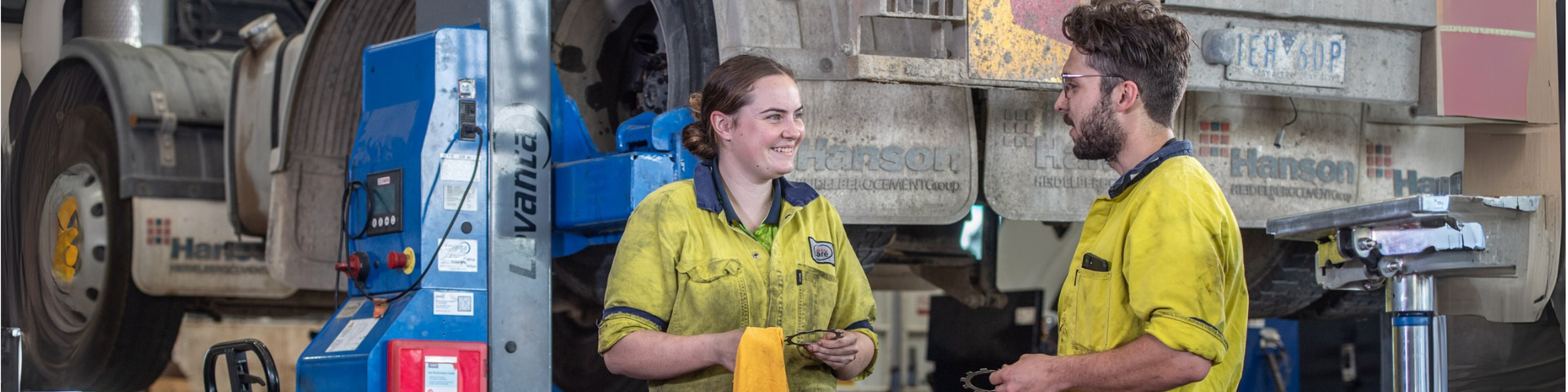
Marhill mainly works in two-person teams, pairing an apprentice with an experienced tradesperson. This gives apprentices regular supervision and mentoring and allows them to learn and contribute on real jobs.
As the business works across electrical service and construction, the work is varied. This gives apprentices exposure to different jobs, environments and tasks rather than being limited to one type of work.
“We encourage our apprentices to have a voice, express their opinions and develop their own approach to problem solving,” Melissa says.
Apprentices may also rotate between tradespeople. This gives them the chance to learn from different mentors, experience different working styles and develop a broader range of skills and knowledge.
Building confidence takes more than technical experience. Marhill wants apprentices to know what’s expected of them, feel part of the team and be comfortable asking for support.
From day one, apprentices are introduced to the business and their supervisor. Expectations set around safety, professionalism, reliability and teamwork are also made clear.
That support continues as they progress. Marhill regularly speaks with supervisors about how apprentices are going. This covers technical work as well as communication, reliability, attitude and teamwork. Feedback is shared with apprentices so good work can be recognised and any issues addressed early.
Weekly check-ins give apprentices another opportunity to talk about how they’re going, raise concerns and ask for help. Importantly, those conversations aren’t always about work.
“We take an interest in who they are outside of work by asking about their hobbies, interests and activities,” Melissa says. “We believe building genuine relationships with our apprentices helps create trust and makes them feel valued as individuals, rather than simply employees.”
Open communication is also built into the way the wider team works. Monthly toolbox meetings bring the whole team together, including apprentices. They provide a regular opportunity to raise concerns, discuss workplace issues and contribute to conversations about safety and work practices.
Marhill has also created a dedicated area in the workshop for apprentices, with a basketball hoop, games and a space where they can spend time together.
These are practical ways Marhill creates a workplace where apprentices feel included, valued, comfortable and connected.
Marhill also recognises that what happens on the job is only one part of an apprenticeship.
They actively keep in touch with TAFE teachers. This helps the team understand how apprentices are progressing with their studies and attendance, and whether they need extra support.
Where possible, they also look for opportunities to align workplace experience with what apprentices are learning through their formal training.
ASA helps Marhill keep up with changes to apprenticeship programs and financial incentives. It has also arranged extra mentoring when apprentices have needed more support.”
Investing in apprentices has delivered long-term results. Several apprentices have completed their training and moved into qualified roles, with some progressing into supervisory positions.
Development doesn’t stop once someone is qualified. Matthew is a dual-qualified plumber and electrician, has progressed into a leadership role. He now helps lead and manage Marhill’s technicians and apprentices.
Developing people from within also helps build an experienced workforce. They already understand the company culture, expectations and way of working.
Melissa’s advice to other employers is simple: give apprentices genuine support, listen to them and recognise that every apprentice may need something different to succeed.
“By creating a workplace where apprentices feel supported, respected and comfortable speaking openly, employers can give them the confidence and opportunity they need to develop into successful and capable tradespeople.”
For Marhill, the investment is helping develop more than skilled tradespeople. It’s building the experience, confidence and leadership capability that will support its workforce well into the future.
Want more apprenticeship insights? Explore what 12,000+ Australian apprentices told us about workplace culture, retention, and the support they value most.